The Grid-Interactive Data Centre: A New Paradigm for Energy Flexibility
October 2026
For decades, the data centre has been viewed through a binary lens: an insatiable consumer of electricity, a critical node of the digital economy, and, increasingly, a significant strain on aging grid infrastructure. As the global demand for AI-driven computation surges, this tension has reached a breaking point. Utilities are scrambling to provide sufficient power capacity, and data centre developers face multi-year delays in grid interconnection. In this context, the energy industry has largely looked to Battery Energy Storage Systems (BESS) as the primary solution for balancing intermittency and providing grid stability. However, a transformative shift is underway. Data centers are evolving from passive, high-draw loads into active, grid-interactive assets—potentially serving as a potent complement, or even a strategic alternative, to large-scale BESS deployment.
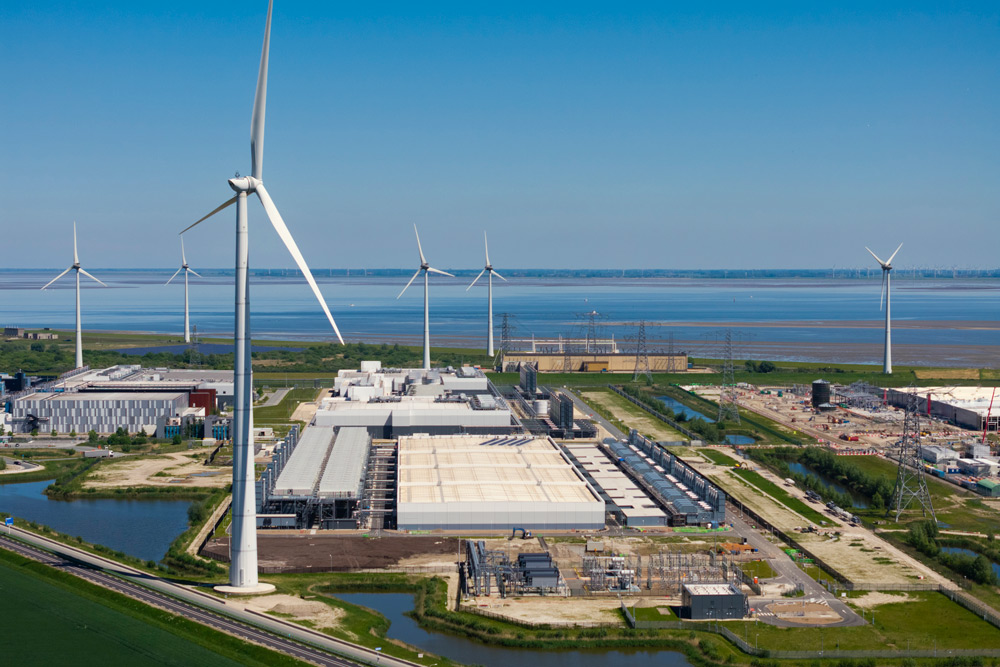
The argument for this shift lies in the inherent, though historically underutilized, flexibility of modern data centres. Unlike a static industrial load, a data centre is a dynamic environment governed by sophisticated software. Through demand response strategies, operators can modulate energy consumption in real-time. By dynamically adjusting cooling loads, shifting non-urgent computational workloads to off-peak hours, or temporarily relying on on-site UPS and backup generation, data centres can provide the grid with the very services—frequency regulation, load shifting, and peak shaving—that BESS is traditionally deployed to handle.
This does not imply that data centres will render BESS obsolete; rather, they are poised to become a vital part of a more integrated energy ecosystem. BESS offers unparalleled speed, capable of injecting power in milliseconds to stabilize grid frequency. Data centres, conversely, offer depth and duration. A large-scale data centre can modulate its demand across a broader window, helping to mitigate longer-term imbalances or ramping challenges that batteries are ill-equipped to sustain. When integrated, the two technologies create a powerful synergy: the battery provides the immediate, sub-second response, while the data centre provides a flexible, manageable "smart load" that can be steered to balance the system over minutes and hours.
The economic and regulatory drivers for this transition are becoming impossible to ignore. As grid operators struggle with volatile renewable energy integration, they are increasingly incentivizing demand-side flexibility. For data centre operators, participating in these markets is no longer just a sustainability aspiration—it is a business imperative.
The revenue generated from grid services can offset the capital costs of the necessary control infrastructure, while simultaneously helping to secure, or expedite, grid interconnection agreements that are otherwise stagnant.
Transitioning to this model is not without hurdles. It requires a fundamental shift in mindset and technical architecture. The industry must move beyond the "backup-only" mentality regarding on-site power and embrace deeper interoperability between data centre management systems and utility control centres. Furthermore, these flexibility services must be carefully managed to ensure they do not compromise the rigorous uptime requirements of the data centre itself.
Ultimately, the rise of the grid-interactive data centre represents a maturation of our energy landscape. We are moving toward a future where infrastructure is no longer siloed into "production" and "consumption." By leveraging the untapped potential within our digital architecture, we can turn one of our most power-hungry industries into a cornerstone of a stable, renewable-reliant, and highly flexible electrical grid. In this new era, the data centre is not just a consumer of energy; it is an intelligent architect of grid stability.

