From Gold Rush to Maturity: The Future of Energy Storage in Finland and the Nordics
August 2026
The Nordic energy market is at a turning point. The rapid expansion of weather-dependent energy sources such as wind and solar is placing increasing demands on the flexibility of the electricity grid. At the centre of this transition is Finland, which has quickly evolved from a promising market into one of Europe’s most interesting hubs for large-scale energy storage.
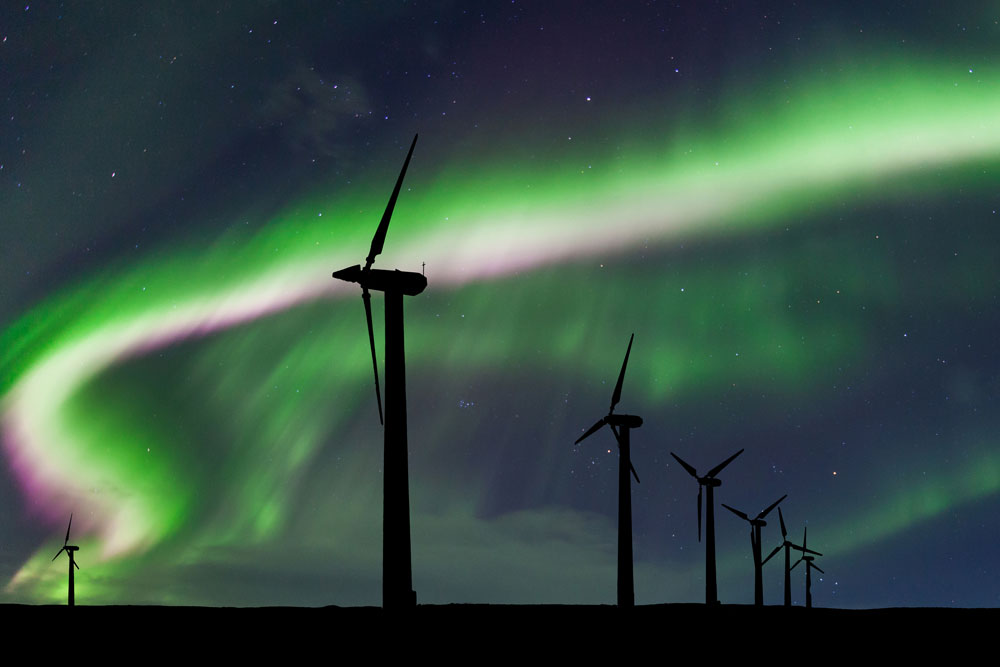
But what happens now that the first wave of investment has passed? We are seeing the market mature, with technologies such as BESS (Battery Energy Storage Systems) and UPHS (Underground/Pumped Hydro Storage) playing an increasingly important role.
Finland: A Pioneer in the North
In recent years, Finland has experienced explosive growth in battery storage. Unlike many other European countries, the Finnish market has been driven by clear incentives for ancillary services, with Fingrid, Finland’s transmission system operator, playing a crucial role in establishing a functioning balancing market.
We are now moving beyond the “gold rush” phase
The market is increasingly developing towards:
Hybridisation: Combining wind or solar farms with dedicated battery storage to minimise imbalances at the source.
Large-scale optimisation: Companies such as Statkraft and OX2 are now entering into advanced optimisation agreements, demonstrating that energy storage is as much about software and artificial intelligence as it is about hardware.
Batteries (BESS) versus Pumped Hydro (UPHS)
When discussing large-scale energy storage, it is important to distinguish between different time horizons.
BESS is currently unrivalled when it comes to speed. Batteries act as the grid’s rapid-response mechanism: they can react within milliseconds and are indispensable for frequency regulation. In Finland, these projects are being scaled up rapidly, often reaching capacities of hundreds of megawatts.
UPHS represents the long-term perspective. While batteries typically address energy and flexibility needs over periods of several hours, pumped hydro can store energy for days or even weeks. Although Finland lacks the dramatic elevation differences found in Norway, innovative solutions are being explored using underground facilities, former mines and artificial reservoirs.
This could become a critical part of the solution when securing energy supplies during extended periods of low wind and limited solar generation
What Will the Future Market Look Like?
The future of the Nordic energy market will be defined by integration. Generation and storage can no longer be viewed as separate elements.
Market maturity: We can expect further consolidation. The companies that succeed will be those best able to integrate storage into the wider energy market. This means participating in the intraday market, providing ancillary services and optimising generation from nearby wind and solar farms.
From reserve capacity to a core asset: Energy storage will move from being a “nice-to-have” reserve function to becoming a central part of the electricity system. For Finnish industry, this could provide a more secure and predictable electricity supply and help reduce exposure to price volatility.
Technology neutrality: The market will not choose between BESS or UPHS. It will need both. BESS provides speed and daily flexibility, while UPHS and other forms of long-duration storage can strengthen system resilience over longer periods.
Conclusion
Finland is leading the way in the Nordics by investing early and establishing frameworks that attract both domestic and international investors. For anyone following the energy market, the Finnish model sends a clear signal: the future belongs to those that can manage variability in the electricity system.
Energy storage is no longer merely a technical solution it is becoming the foundation of the green transition.

