When the tank runs low: How Large-Scale Energy Storage solutions can buffer a world shaken by a Strait of Hormuz blockade
May 2026
Imagine waking up to an oil shock: tankers stalled, prices spiking, supply chains strained, and the familiar hum of industry beginning to falter. A blockade of the Strait of Hormuz — which transits roughly a fifth of the world’s seaborne crude — is a geopolitical “stress test” that not only rattles markets but exposes the brittle dependencies of modern energy systems. In that moment, large-scale energy storage technologies — from Underground Pumped Hydroelectric Storage (UPHS) to Battery Energy Storage Systems (BESS) — shift from climate-policy talking points to strategic instruments of resilience. Here’s why they matter, what they can realistically do, and how policymakers and industry should think about them now.
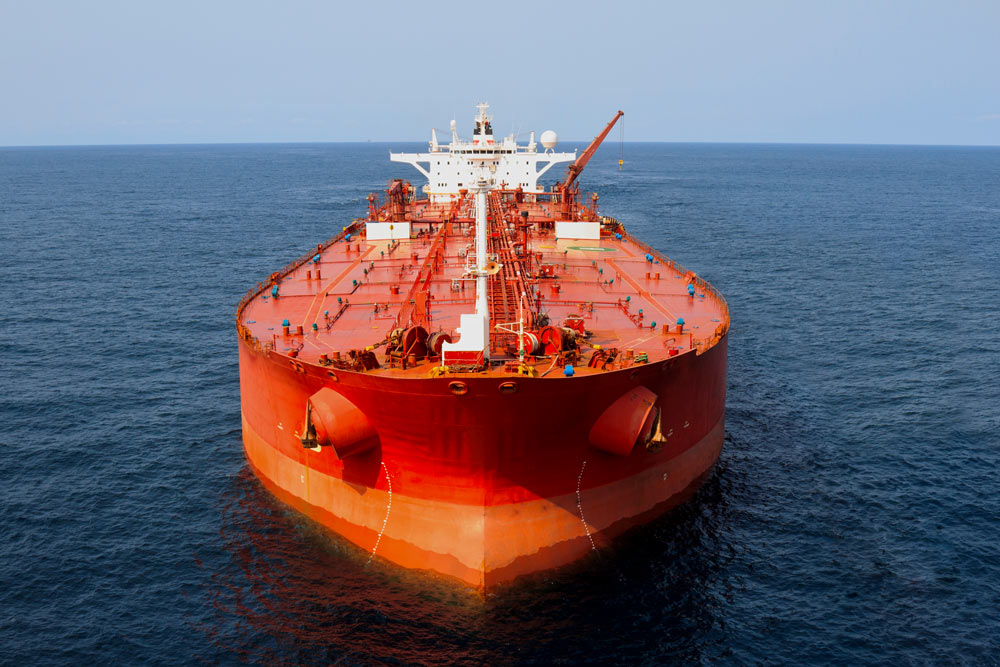
Why a Hormuz blockade matters beyond oil prices
A blockade that constrains Middle Eastern oil flows creates immediate price shocks, but its downstream effects are broader and more structural. Higher fuel costs raise production and transport expenses, disrupt supply chains, and can precipitate rolling shortages of refined fuels. Countries heavily reliant on liquid fossil fuels for power generation, shipping, or industrial feedstocks face difficult choices: rationing, rapid shifts to alternative fuels (if available), or painful economic contraction.
But modern energy systems are not monolithic fossil-fuel-only constructs anymore. They increasingly combine variable renewables, gas backstops, and—critically—energy storage. Storage changes the calculus by enabling flexibility, substituting for fuel-based peaking plants, and creating buffers against supply-side shocks. In short, it buys time and options.
What Large-Scale Storage brings to the table
Short-term operational resilience
BESS can respond within milliseconds to stabilize grids when fuel-fired plants falter due to fuel scarcity or supply-chain disruption. They support frequency regulation, voltage support, and fast ramping—functions normally provided by thermal generators now at risk from fuel shortages.
UPHS and other long-duration storage systems provide multi-hour to multi-day discharge capability. In a crisis where fuel deliveries are constrained, that extended discharge can keep critical services (hospitals, communications, cold chain, and essential industry) running and smooth industrial load profiles to stretch remaining fuel supplies.
Fuel substitution and switching flexibility
In regions where oil fuels power generation (common in many island states and parts of the Middle East and Africa), stored electrical energy lets utilities switch from oil-fired generators to electricity derived from renewables and storage. This reduces immediate dependence on disrupted liquid fuel routes.
Storage enables higher renewable penetration without sacrificing reliability, meaning countries can tap wind and solar during a fuel crisis rather than fighting for dwindling liquid fuels.
Market and price dampening
Large-scale storage can arbitrage price spikes: charging during lower-price periods (e.g., surplus renewables or less impacted fuel pricing windows) and discharging when prices peak. While storage won’t eliminate a global crude shortage, it blunts price volatility and reduces peak-price impacts on consumers and manufacturers.
Strategic stockpiles in electric form
Think of UPHS reservoirs or BESS clusters as an electric “strategic petroleum reserve.” They won’t replace oil used in transport but can substitute in power generation and critical services, giving governments breathing space for diplomatic de-escalation, rerouting supplies, or scaling temporary alternatives.
Limitations and realistic expectations
Scope mismatch: global oil flows support transport, petrochemicals, and industrial processes that electricity can’t fully supplant overnight. Storage is not a direct substitute for liquid fuels in aviation, most shipping, or petrochemical feedstocks.
Scale and duration: BESS today is typically optimal for minutes-to-hours. Long-duration storage (like UPHS, compressed air, hydrogen storage, thermal storage) is required to cover multi-day shortfalls, but these options require larger capital, siting, and permitting.
Speed of deployment: in a sudden blockade, new large-scale storage cannot be built quickly. The benefit of storage is realized only where projects already exist or can be rapidly activated and coordinated.
Infrastructure and policy gaps: unlocking the strategic potential of storage requires grid modernization, market mechanisms that value resilience services, and cross-sector planning that integrates electricity, fuels, and logistics.
Strategic Implications for policy and industry
Prioritize long-duration storage as national resilience infrastructure Governments should treat UPHS and long-duration storage like highways and ports—critical infrastructure deserving public investment, expedited permitting, and integration into national emergency plans.
Incentivize storage siting near fuel-dependent regions Deploy storage where it can most effectively substitute for vulnerable oil-powered generation: island grids, refining hubs, petrochemical corridors, and ports.
Create market signals for resilience services Regulators must value and remunerate storage not only for energy arbitrage but for resilience: capacity payments, reliability contracts, and strategic reserves modelled on petroleum stockpiles.
Integrate storage with fuel diversification strategies Storage is complementary to efforts on fuel diversification: LNG imports, biofuels, sustainable aviation fuels, and electrified transport. Policymakers should design cross-sector contingency plans that use storage to extend fuel availability while alternative supply lines are mobilized.
Invest in operational readiness and cross-border cooperation Shared regional storage resources, grid interconnections, and pre-negotiated dispatch protocols can maximize the value of existing systems during a geopolitical shock.
A Practical Scenario:
How storage buys time if Hormuz were blocked and oil shipments curtailed for weeks, a country with substantial UPHS capacity could shift a portion of its power demand off oil-fired plants for days, prioritizing critical loads. BESS farms could stabilize frequency while renewables ramp up in daylight hours. This combined action reduces emergency fuel imports, lowers peak prices domestically, and gives authorities time to secure alternative supplies, invoke rationing only where necessary, or route strategic petroleum reserves.
Conclusion: Resilience through electrification and storage
A blockade of the Strait of Hormuz underscores how geopolitics can instantaneously stress energy systems. While storage is not a panacea for all consequences of oil shortages, it is a powerful lever: it strengthens grid resilience, enables substitution away from vulnerable oil-based generation, and dampens market shocks. For policymakers, investors, and utilities, the lesson is clear: large-scale storage should be elevated from a decarbonization tool to a core component of national energy security strategy. In an era where supply disruption is a persistent risk, the capacity to store and dispatch energy on demand is both economic insurance and strategic ammunition — one that buys time, steadies societies, and makes economies less hostage to chokepoints like the Strait of Hormuz.

