The EU's Ambitious Renewable Energy Goals and the Storage Imperativ
October 2025
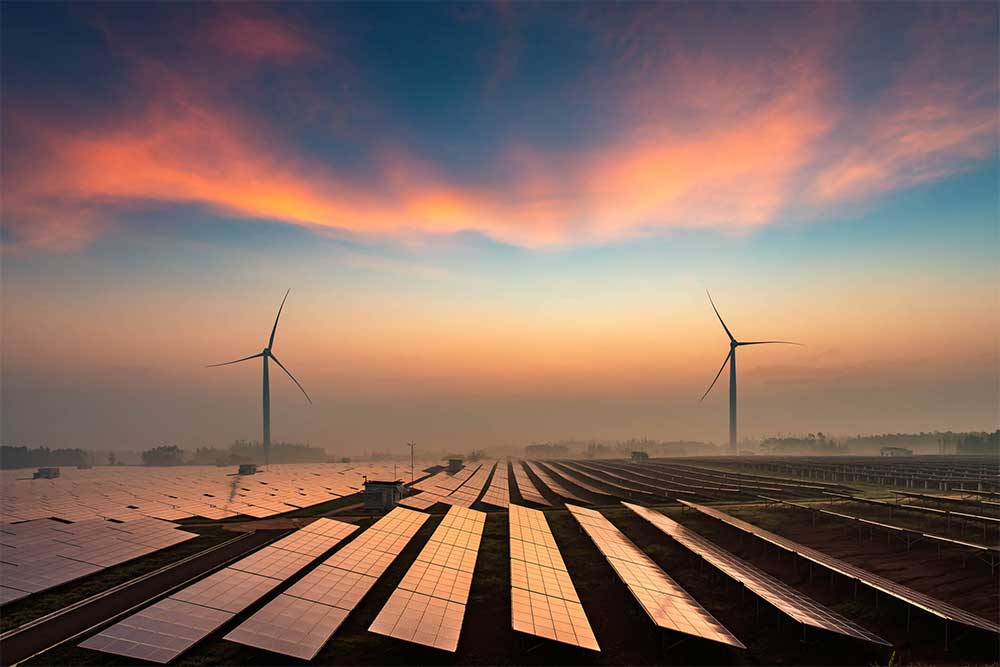
The EU's commitment to a 42.5% renewable energy share by 2030 represents a monumental step towards decarbonization and climate resilience. However, achieving this target requires more than just installing new solar panels and wind turbines; it demands a fundamental rethinking of our energy infrastructure. Renewable sources, while clean, are by nature intermittent, producing electricity only when the sun shines or the wind blows. This variability creates a significant mismatch between energy generation and demand, posing a direct threat to grid reliability and efficiency. Battery storage emerges as the indispensable solution, acting as a flexible reservoir that can absorb excess energy during peak generation and release it during periods of high demand or low renewable output, thereby smoothing out fluctuations and ensuring a consistent power supply.
Energy Storage: The Key to Grid Stability
Grid stability is paramount for any modern economy, and energy storage technologies are proving to be the linchpin in integrating large-scale renewable energy without compromising reliability. These systems provide essential ancillary services, such as frequency regulation and voltage support, which are crucial for maintaining the delicate balance of the electrical grid. By rapidly responding to changes in supply and demand, batteries can prevent costly blackouts and ensure a continuous flow of power, even as the energy mix becomes increasingly dominated by variable sources. This capability allows grid operators to integrate more renewable energy with confidence, knowing that sudden drops in generation can be quickly compensated for, thus enhancing the overall resilience and flexibility of the entire energy system.
Navigating Challenges and Seizing Opportunities
While the promise of Energy storage is immense, the sector also faces challenges, including initial investment costs, raw material sourcing, and the need for continuous technological innovation. However, these challenges are dwarfed by the significant opportunities that strategic investment presents. Beyond grid stability, storage solutions offer enhanced energy independence, reducing reliance on volatile fossil fuel markets and strengthening national energy security. They also unlock new business models, such as demand-side management and virtual power plants, which can optimize energy consumption and generation across diverse networks. By transforming the intermittency of renewables from a liability into a manageable asset, battery storage creates a more robust, efficient, and sustainable energy ecosystem for the future.
Strategic Investments and Policy Frameworks
To truly bridge the gap between ambitious renewable energy targets and practical implementation, strategic investments coupled with supportive policy frameworks are essential. Governments must provide clear incentives for the deployment of utility-scale and distributed battery storage systems, fostering an environment conducive to innovation and market growth. This includes funding for research and development into next-generation battery chemistries, streamlining permitting processes, and establishing fair market mechanisms that properly value the flexibility and reliability that storage provides. Private sector investment, driven by these supportive policies, will accelerate the scaling of manufacturing and deployment, ensuring that battery storage becomes a cornerstone of our future energy infrastructure. A collaborative approach involving policymakers, industry leaders, and technology developers is vital to unlock the full potential of energy storage and accelerate the transition to a sustainable energy future.
SENS Leading the Charge
The imperative for robust battery storage solutions in achieving renewable energy goals is undeniable, and companies like SENS are at the forefront of this critical transition. As a leader in developing and deploying innovative energy storage technologies, SENS is actively contributing to a more stable, efficient, and sustainable energy landscape. Our commitment to advancing these essential solutions demonstrates the proactive leadership required to meet the EU's ambitious targets and beyond.
We urge industry stakeholders, policymakers, and investors to prioritize strategic investments in energy storage, recognizing its pivotal role in securing a reliable and green energy future. By embracing these advancements, we can collectively inspire a new era of energy independence and environmental stewardship, ensuring that our sustainability agendas are not just aspirational, but truly achievable.

