Why Large-Scale Energy Storage Systems Are Essential for a Sustainable Future
August 2025
As global energy demand rises and the imperative to cut carbon emissions intensifies, building a balanced and sustainable energy system has never been more critical. Renewable energy sources like wind and solar are at the forefront of this transition. However, their intermittent nature poses a significant challenge: how do we ensure a reliable power supply when the sun isn’t shining or the wind isn’t blowing? The answer lies in large-scale energy storage solutions, with underground pumped hydro storage and battery energy storage systems emerging as game-changers.
The Need for Large-Scale Storage
Renewable energy sources are inherently variable. Solar panels produce power during the day, and wind turbines operate when conditions permit. Without effective storage, fluctuations become risks that can destabilize the grid and disrupt supply. Large-scale storage acts as a buffer, capturing excess energy during periods of high generation and distributing it when production dips. This balancing act enables a smooth, reliable supply of clean energy, making renewables a viable cornerstone of future energy systems.
Underground Pumped Hydro Storage: Gravity in Action
Underground pumped hydro storage (UPHS) is a sophisticated form of energy storage that leverages gravity and water. It involves two reservoirs placed at different depths—often in underground caverns—linked by tunnels and pumps. During periods of excess electricity, water is pumped uphill to the upper reservoir. When energy demand peaks, water flows back downhill, turning turbines to generate electricity.
Advantages of underground pumped hydro include:
- Significant capacity: Capable of storing thousands of megawatt-hours, suitable for national grid stabilization.
- Long lifespan: With proper maintenance, underground structures can operate for decades.
- Minimal environmental footprint: Underground construction reduces land use and visual impact compared to surface reservoirs.
- High efficiency: Typically exceeding 80%, making it a reliable source of stored energy.
UPHS provides a large, scalable solution capable of balancing timescales ranging from hours to days. Its ability to respond quickly makes it invaluable for grid stability and emergency support.
Battery Energy Storage Systems: Flexibility at a Smaller Scale
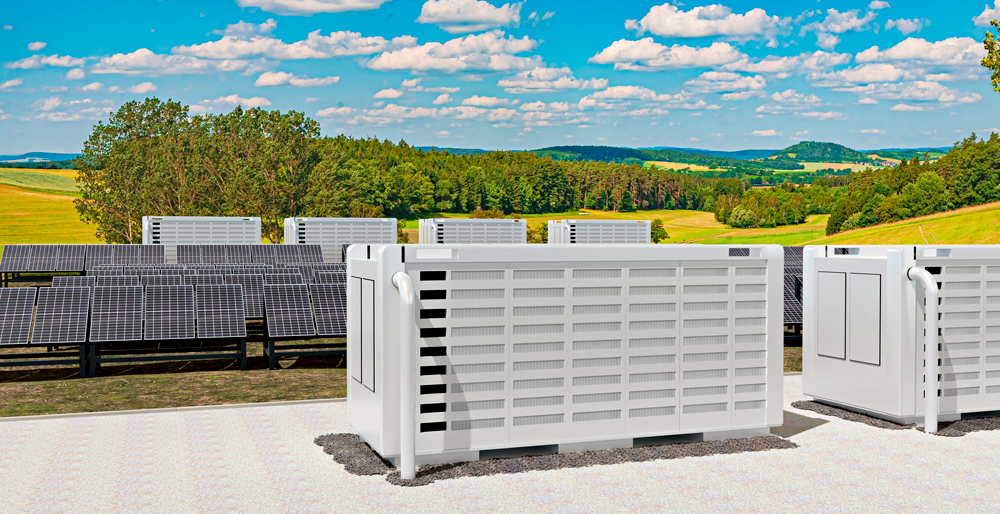
Battery energy storage systems (BESS), especially lithium-ion batteries, have revolutionized energy storage due to their flexibility and rapid deployment. They are ideal for localized applications—such as supporting renewable farms, stabilizing urban grids, or providing backup power for critical facilities.
Key benefits of BESS include:
- Rapid response: Batteries can charge or discharge within seconds, making them excellent for grid frequency regulation.
- Modularity: Systems can be scaled up or down depending on needs, offering flexibility.
- Compact footprint: Require less space compared to pumped hydro facilities.
- Decreasing costs: Advances in battery chemistry and manufacturing are driving down prices, increasing accessibility.
While batteries are generally more suited for short-term storage—from minutes to hours—they are indispensable for enhancing grid flexibility, managing peak loads, and integrating variable renewable sources.
Complementary Roles in the Future Energy System
Both underground pumped hydro and battery systems play complementary roles. Pumped hydro provides large-scale, long-duration storage essential for balancing energy over days or even weeks. Batteries excel at handling rapid fluctuations, supporting grid stability, and providing instant backup.
Together, these technologies create a resilient, adaptive energy grid capable of handling the unpredictable nature of renewable resources. They reduce dependence on fossil fuels, reduce greenhouse gas emissions, and foster a more sustainable future.
Conclusion
The transition to a truly sustainable energy system hinges on deploying effective large-scale storage solutions. Underground pumped hydro storage delivers massive, long-term capacity with minimal environmental impacts, while battery energy storage offers swift, flexible support. As technological innovations continue, integrating these systems will be vital for achieving a balanced, reliable, and environmentally friendly energy future.
By combining gravity-driven reservoirs with cutting-edge battery technology, we can unlock the full potential of renewable energy—ensuring a cleaner, more resilient world for generations to come.

