Give mines new life – let Underground Pumped Hydro Storage power become the AI society's "power bank"
July 2025
Of Almedalen's nearly 2,500 events, only five are about energy storage. At the same time, the AI boom is driving electricity demand to new records. Swedish startups such as Sana, Legora and Lovable are spurring consumption – but Sweden also has the chance to lead the way on the production side. With UPHS or Underground Pumped Hydro Storage deep down in the mountain, we can secure both power and jobs in the digital era, writes the management of the energy storage company SENS.
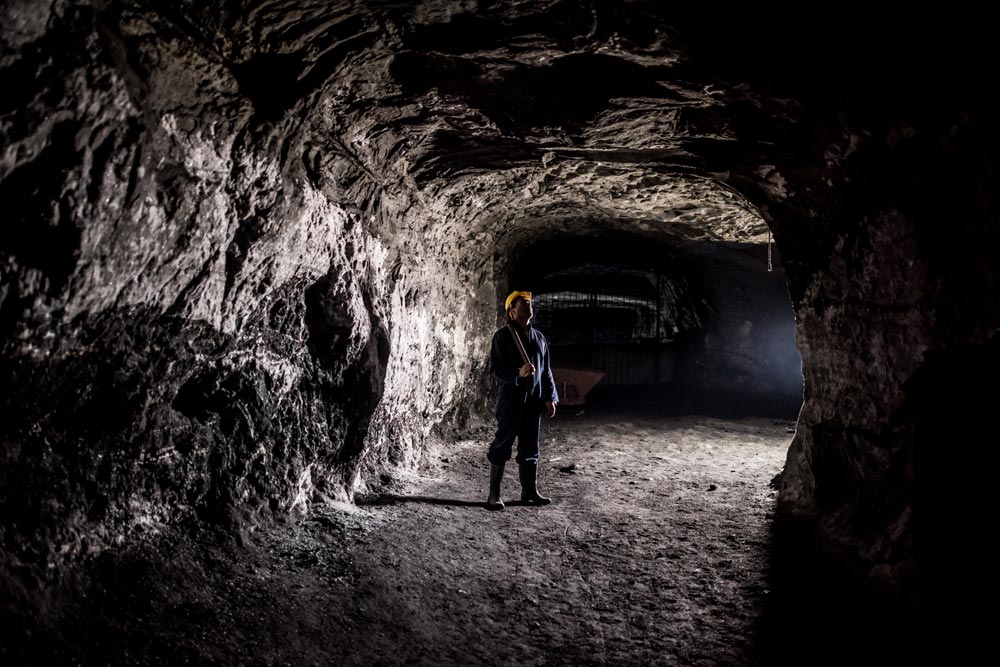
With AI models being used around the clock and more and more electric cars rolling on the roads, it is no longer enough to simply build more solar and wind farms. Surplus electricity must be able to be stored and released when demand peaks. Beneath our feet is already the key: hundreds of abandoned mines that can be turned into large-scale "power banks" – external power reserves that relieve, balance and supply energy when it is needed most. With the right political rules, Sweden can take the lead and make Bergslagen, Dalarna and Värmland Europe's most robust energy clusters. Below are seven reasons why underground pumped storage power should be given the same priority as new nuclear power.
The Electricity Revolution No One Counted On
Data centers already consume more than four percent of the United States' electricity – and forecasts show that AI can drive up global consumption of electricity in data centers by another 50 percent by 2030. In Sweden, the Swedish Energy Agency talks about an electricity demand that could more than double by 2045.* Simply building more solar panels and wind turbines is not enough; without the capacity to store surplus energy, we risk getting stuck in power shortages and expensive imported electricity.
Storage is the missing link
Battery parks solve seconds and hours – but it's not enough when the wind dies down for a whole day or clouds cover the sun during a cold February week. Long-term energy storage is needed here that can relieve the grid for tens of hours and make room for even more renewables. Building new battery parks alone is not enough, and is also not entirely unproblematic in terms of the consequences of mining and handling of rare earth metals.
Underground Pumped Hydro Storage in mines – proven technology in a new suit
Sweden's topography provides few natural height differences for new traditional dam facilities, and building dams also has major environmental consequences. But a hidden opportunity lies beneath our feet: disused mines that already offer the hundreds of meters of drop required. The water is pumped up when electricity is cheap and falls back through turbines when the electricity is needed – a gravity-driven "battery" that lasts for decades.
Complement, not competitor
Underground Pumped Hydro Storage and batteries work together, they do not replace each other. Both can quickly smooth out small fluctuations in the electricity grid, but Underground Pumped Hydro Storage power can also store a lot of energy for a long time and save the need to use hydropower for later. Together, they keep the electricity stable so that data centers, steel mills and charging stations get power – even on a still, cold winter evening without wind.
Bergslagen can become Europe's energy cluster
Filipstad, Norberg and Grängesberg are already mapping old iron and copper mines for pilot plants. Combined with local solar and wind farms, the region could become a self-sufficient energy hub, attracting electricity-intensive industry and high-tech jobs. The first major investment in underground pumped storage power plants in disused mines could very well take place here in Sweden. We can show the world that it is possible to create new energy solutions without extensive construction projects with the accompanying environmental impact.
Give storage the same conditions as nuclear power
The government's investigators present a first interim report that could shorten the permit period for new reactors from 13 to 10 years and consider government credit guarantees. The same clear rules of the game are needed for large-scale storage:
- Fast track for permits – a maximum of three years instead of today's uncertainty.
- State support for new plants – create a government fund to get the first plants up and running that can demonstrate and certify the technology and provide insights that can be used for scale-up.
- National target for storage capacity – just like for fossil-free electricity production.
Time to invest – Sweden can become a pioneer
Sweden has world-leading mining expertise, a network of disused shafts and a crying need for controllable energy. Turning the mines into pumped storage power plants is climate-wise, technically proven and economically rational. With the right political decisions, we can give the energy system the "power bank" it lacks – and at the same time create export revenues, regional development and jobs.
Do not let the mines collect dust. Let them gather energy.
* Ellevio's new impact report that extends until 2045

